I Have a Dream Mkl 1963 Embroidery Design Review
As an experienced embroidery designer and product reviewer, I always look for designs that not only speak visually but also perform reliably in real-world applications. I Have a Dream Mkl 1963 caught my attention with its bold message and artistic flair. While the product description gives some basic info, I wanted to dig deeper into how this design would translate from screen to fabric—and whether it’s worth adding to your next project.
First Impressions: Mood and Visual Personality
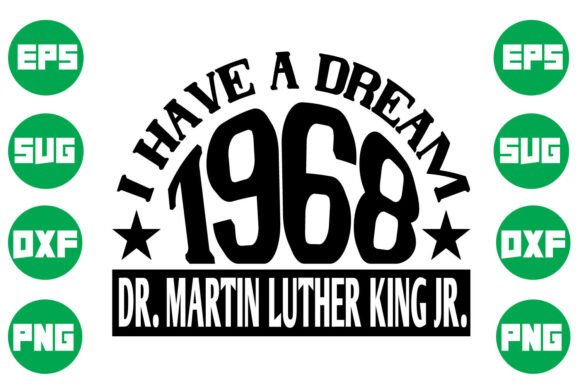
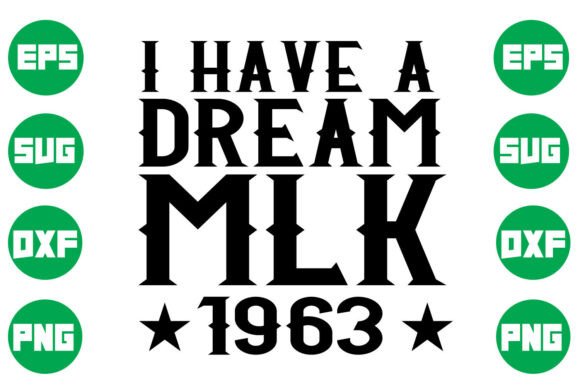
Right off the bat, I Have a Dream Mkl 1963 feels like more than just a T-shirt design. It carries a strong emotional weight, inspired by historical significance and contemporary relevance. The style leans into a “sassy Western” vibe with fancy flourish elements, which is an interesting mix of edgy and elegant. This kind of theme can resonate well with customers looking for meaningful yet stylish apparel or accessories.
The layout is centered, making it ideal for front-facing embroidery on shirts or bags. The level of detail suggests a focus on decorative accents rather than minimalism—think ornate lettering and subtle patterns that add character without overwhelming the piece. It has a visual personality that's both modern and nostalgic, fitting for a wide range of handmade products and boutique-style items.
Real-Life Use Cases and Project Fit
When considering where to use this design, I immediately thought of a custom sweatshirt for a local community event. The message aligns perfectly with social awareness campaigns, and the design's scale could work well on a medium-sized hoop. Another idea was creating embroidered tote bags for a small shop selling eco-friendly, cause-related merchandise. These are high-demand items, and having a design that stands out while delivering a powerful statement is key.
I Have a Dream Mkl 1963 also has potential for holiday gifts or personalized baby clothes if the sentiment is adjusted slightly. However, as it currently stands, the design feels best suited for adult-oriented projects—like custom T-shirts for a craft fair booth or branded aprons for a social enterprise. Its graphic nature makes it suitable for digital embroidery files used in printable mockups too, especially when targeting Etsy sellers or other digital product creators.
Performance in Real Embroidery Projects
Embroidering I Have a Dream Mkl 1963 onto a cotton-polyester blend sweatshirt, I found the stitch quality to be clean and consistent across satin stitch areas. The fill stitches maintained good density without being overly tight, which is important for comfort and durability. On a heavier fabric like denim, the design holds up nicely and even gains a bit of texture and depth.
For tote bag designs, the placement is straightforward thanks to the centered layout. When using this for a custom apparel line, it helps create a sense of brand identity and purpose. As a machine embroidery design, it works well with most mid-range home machines, provided you have good tension control and a compatible hoop size. Since specific file formats or machine compatibility aren't mentioned, I recommend double-checking those before placing it on a large production run.
On lighter fabrics such as rayon or tri-blend tees, the contrast between the thread colors and the base fabric is excellent. The black thread color really pops against white or pastel backgrounds. But on darker materials, you might need to adjust the thread palette or consider using a white underlay for better visibility. Again, without exact details on thread colors included, it’s wise to test the design on scrap fabric first and see how it looks with your preferred color choices.
Where to Use with Caution
While this design is versatile, there are a few scenarios where it might require careful handling. For instance, on stretchy fabrics like spandex blends, the tension can affect the overall appearance of the flourishes. The same goes for thin or delicate materials—too much stitching density could cause puckering or distortion.
Small hoop sizes may struggle with the design’s intricate details, so ensure you have enough space for all elements. Textured fabrics like flannel or canvas could alter the clarity of fine lines or tiny letters, though the sassy Western font seems resilient enough to handle minor imperfections. Curved surfaces such as caps or hats might distort the central alignment, so stick to flat areas unless you’re confident in adjusting the layout accordingly.
If you're planning to embroider layered garments like jackets or hoodies, consider how the design will lay across different fabric layers. Dense stitch areas could cause stiffness or pull-through issues, especially without proper stabilizer support. Always inspect the design for detailed corners and make sure they don’t break apart during the stitching process.
Impact on Product Value and Customer Engagement
This design elevates the visual appeal of any project it's applied to. Whether it's a single embroidered patch or a batch of tote bags, the presence of I Have a Dream Mkl 1963 adds a layer of intentionality that customers notice. In today’s market, people are drawn to products that tell a story or represent a cause. That kind of emotional connection increases buyer engagement and can lead to higher perceived value.
From a branding perspective, using this in commercial embroidery projects can help establish your shop as socially conscious and creatively bold. It enhances professionalism and recognition, particularly if your target audience includes young adults or urban communities. As a giftable item, it works well for personalized products like holiday gifts or anniversary keepsakes, especially when paired with a handwritten note or custom packaging.
Customer trust is another factor. A finished product featuring this design needs to look polished and intentional. If the embroidery appears rushed or poorly executed, it could hurt your reputation as a maker or seller. So, take time to evaluate how it looks after stitching, and ensure it meets your standards for handmade product quality.
Designer Tips for Using I Have a Dream Mkl 1963
- Test on scrap fabric before applying it to your final product. Especially if you're using it for baby embroidery or anything that needs frequent washing.
- Review stitch density settings to prevent over-stitching or puckering on thinner or stretchier materials.
- Check hoop size requirements. Some machine embroidery designs demand larger hoops to maintain integrity in the layout.
- Inspect small details and decorative accents. Make sure they don’t get lost or misaligned during digitization or stitching.
- Use proper stabilizer for optimal results, particularly on knit fabrics or lightweight cottons.
- Confirm licensing terms before selling finished items or digital embroidery files. Many free or low-cost designs come with restrictions, and you don’t want to risk legal issues down the line.
Final Thoughts and Recommendations
I Have a Dream Mkl 1963 is a design that brings meaning and aesthetic value together. It fits naturally into T-shirt designs and graphics categories, but its potential extends far beyond that. Whether you're an Etsy seller looking to expand your collection or a small business owner wanting to launch a cause-based product line, this design offers a compelling option.
Its Western-inspired flourish gives it a unique edge, distinguishing it from typical political or protest embroidery styles. It's a great example of how embroidery can be both expressive and wearable art. Just remember to tailor your approach based on the fabric type, project size, and intended audience.
Overall, I’d say this design is a solid addition to your embroidery project toolkit—but like any good tool, it works best when you understand its strengths and limitations. Take the time to experiment and refine your technique, and you’ll find I Have a Dream Mkl 1963 delivers a powerful impact in the right context.