Cowboy Bull Rider SVG Embroidery Review
As a designer who spends more time than I care to admit staring at stitch lines and fabric grain, I don’t just buy digital assets; I stress-test them. When I first pulled up the Cowboy Bull Rider SVG, my initial reaction wasn't about the file format—it was about the silhouette. In the world of machine embroidery design, simplicity is often the hardest thing to execute well. If the shape isn't strong on paper, it will fall apart under the needle. This western art piece immediately caught my eye because it understands that balance.
I evaluated this Graphics asset not as a static image, but as a potential embroidery project. The prompt included various formats like Svg, Png, Eps, Jpg, and Pdf, which suggests versatility for both direct stitching and applique workflows. But does it translate? Let’s look at how this cowboy svg performs when we move from screen to hoop.
The First Impression: Mood and Visual Weight
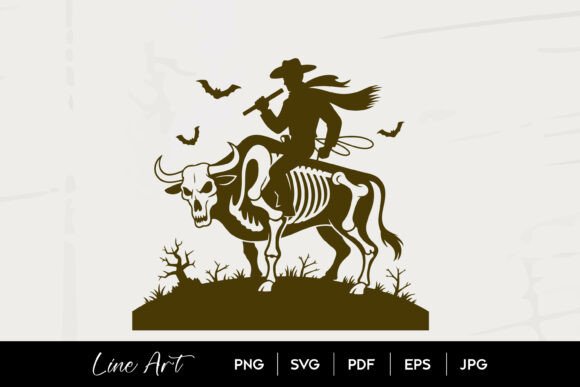
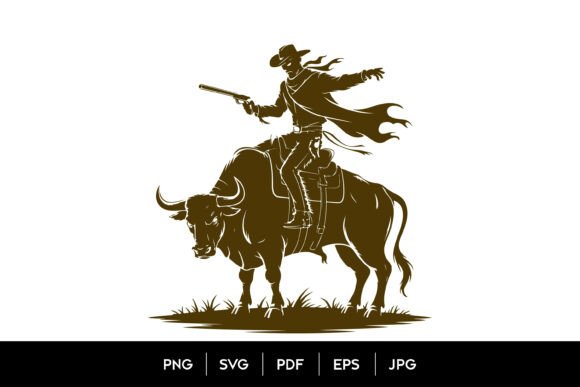
The Cowboy Bull Rider SVG exudes a rustic, rugged energy that fits perfectly into the current trend of Americana and country style decor. It doesn’t scream for attention with excessive detail; instead, it relies on a confident, bold outline. For an embroiderer, this is crucial. Intricate details often get lost in the fuzz of high-pile fabrics or turn into muddy blobs if the thread count is too high. Here, the visual personality is clear: it’s a rodeo rider captured in motion, leaning back against the pull of the bull. The negative space is handled intelligently, leaving room for breathability in the final finished product.
This kind of Illustrations quality works exceptionally well for custom apparel. Imagine this on a heavy-weight cotton sweatshirt. The contrast between the dark fabric and a bright gold or white thread would make the silhouette pop without overwhelming the garment. It feels like a handmade product that has been thoughtfully curated rather than mass-produced.
Real-World Application: Where Does It Shine?
I put this embroidery file through its paces mentally by imagining specific client requests. The most obvious application is sweatshirt embroidery. A classic crewneck or a vintage-wash hoodie becomes an instant statement piece with this design centered on the chest or placed large on the back. It appeals to the small business owner looking for high-margin items that resonate with outdoor enthusiasts or rodeo fans.
However, its versatility extends beyond outerwear. Consider a tote bag design. Using this on a sturdy canvas tote creates a functional accessory that doubles as a conversation starter. It’s perfect for Etsy seller listings targeting parents who want unique gifts for their children. Speaking of which, this works beautifully as baby embroidery. On a soft muslin blanket or a onesie, the simplified lines ensure safety and clarity, making it a thoughtful personalized gift for a baby shower.
For the craft fair crowd, this design translates well to aprons and kitchen towels. The western theme adds a touch of farmhouse chic to home goods. It’s also an excellent candidate for an embroidered patch. If you are adding hook-and-loop backing, the clean edges of the cowboy silhouette will adhere smoothly without fraying issues during the cutting process.
Technical Considerations and Stitch Strategy
When reviewing any digital embroidery file, I always think about the stitch types involved. While the raw file is vector-based, the digitization (or your decision to convert it) dictates the outcome. For this design, a combination of satins stitch for the outlines and fill stitch for the body of the bull could create a rich texture. Alternatively, using a running stitch for a minimalist, sketch-like effect would give it a modern, artistic flair.
Thread colors play a massive role here. Because the design is monochromatic in its base form, you have creative freedom. A single-color execution in black or navy offers a sleek, professional look. Multi-color setups can introduce depth—perhaps a tan bull with a darker bridle, or a contrasting shirt color for the rider. However, be cautious with stitch density. If you over-stitch the curves of the bull’s muscles, the fabric may pucker. Always check the density settings before committing to a large run.
Another technical note involves the hoop size. Ensure your software allows you to scale this appropriately. If you are working on a small cap or hat, the proportions must remain intact so the rider doesn’t look distorted. Testing the design in a smaller hoop size early on prevents costly mistakes later.
Fabrics and Stabilizers: A Critical Match
No machine embroidery design exists in a vacuum; it lives on fabric. The Cowboy Bull Rider SVG requires a stable foundation. I recommend using a cut-away stabilizer for knits like t-shirts and hoodies to prevent stretching over time. For woven fabrics like denim or canvas, a tear-away might suffice, but a lightweight cut-away ensures longevity, especially for items that see frequent washing.
Avoid using this on highly textured fabrics like chunky chenille or loose-weave burlap unless you are experienced. The fine details of the rider’s boots or the bull’s tail might get lost in the weave. Similarly, thin or stretchy fabrics need extra stabilization to maintain the integrity of the design assets. If you are printing mockups for your shop, remember that the fabric texture in the photo will influence how customers perceive the quality of the embroidery.
Commercial Viability and Branding
For the craft business owner, this design offers strong commercial appeal. It taps into a timeless aesthetic that doesn’t feel trendy or fleeting. This longevity means your inventory won’t become obsolete quickly. It supports brand consistency if you specialize in western, rural, or rustic themes. Whether you are selling holiday embroidery items (like Christmas ornaments featuring cowboys) or year-round merchandise, this Graphics element adds authenticity.
It also enhances buyer engagement. Customers appreciate designs that look intentional and well-executed. A clean, bold cowboy svg signals professionalism. It builds trust because it looks like it belongs on a premium product. When you list this on platforms like Etsy or your own Shopify store, use high-quality printable mockup images that show the design in context. Show it on a leather jacket, a wooden sign, or a child’s bedroom wall decor to help buyers visualize the end result.
Final Verdict and Practical Tips
The Cowboy Bull Rider SVG is a solid addition to any designer’s library. It is versatile, visually striking, and technically forgiving enough for makers of all skill levels. To get the best results, follow these practical steps:
- Test on Scrap Fabric: Never go straight to the final product. Run a test stitch on a scrap of your intended fabric to check tension and alignment.
- Review Contrast: Ensure your thread color contrasts sufficiently with the fabric. Low contrast can make the design disappear.
- Check Licensing: Before selling finished items or distributing the digital product, confirm the licensing terms. Some files are for personal use only, while others allow commercial sales.
- Inspect Small Details: Zoom in on the vector file. Are there any overlapping paths that might cause confusion during digitization or cutting?
- Use Proper Stabilizer: As mentioned, the right stabilizer is half the battle. Don’t skimp on this step.
In conclusion, this design bridges the gap between artistic expression and commercial practicality. It captures the spirit of the wild west while remaining adaptable to modern crafting trends. Whether you are creating a personalized gift for a friend or building a line of small shop products, the Cowboy Bull Rider SVG delivers a professional finish that customers will love.