Cowboy Duck SVG Design – A Versatile Embroidery Asset for Real Projects
As an experienced embroidery designer and product reviewer, I approach digital embroidery files with a critical eye. The Cowboy Duck SVG Design caught my attention not just for its quirky charm but also for the way it communicates a sense of personality while maintaining technical versatility. This design is more than just a fun animal motif—it’s a thoughtful asset that can elevate your handmade products and small business merchandise when used correctly.
A Playful Yet Professional First Impression
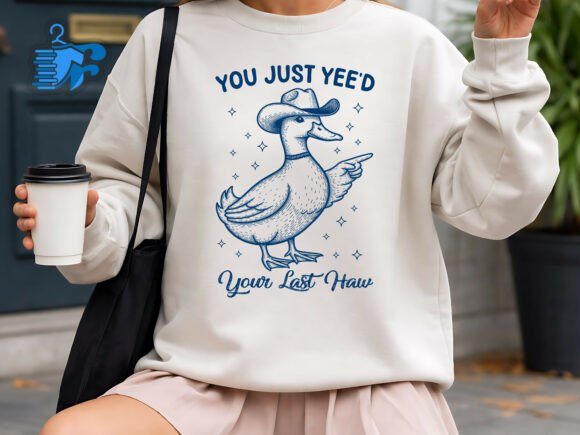
The first thing I noticed about the Cowboy Duck SVG Design was its clever character. The duck wears a hat, a sash, or maybe even a tiny bandana—depending on how you interpret it—and this whimsical detail makes it instantly memorable. It doesn’t scream “childish,” nor does it lean too heavily into adult humor; instead, it strikes a balance that appeals to both kids and adults alike. That kind of visual duality is rare in machine embroidery designs and can be a real advantage when considering marketability for different age groups.
Visually, the layout is clean and centered, making it easy to adapt to various surfaces and hoop sizes. The lines are well-defined, and the negative space is handled with care, which suggests good stitch clarity and less risk of distortion during the embroidery process. As someone who regularly reviews graphics for use in custom apparel and personalized gifts, this level of design intentionality is reassuring.
Real-World Application: Custom Embroidered Tote Bags
I recently considered using the Cowboy Duck SVG Design for a batch of custom embroidered tote bags intended for a boutique client. The duck’s silhouette fits neatly within a 6x10 inch hoop, and the overall shape suggested it would sit comfortably on cotton canvas or twill fabric. Its stylized features make it suitable for both all-over stitching and as a central focal point. When stitched with satin stitch outlines and fill stitch interiors, the duck retained a crisp appearance that felt professional yet playful.
One of the key benefits I observed was how the design adapts to different color palettes. Whether using bold primary colors or muted pastels, the duck maintained its identity. This flexibility is crucial for crafters and Etsy sellers who want to match their brand colors or seasonal themes without compromising the design’s integrity.
Performance in Various Embroidery Projects
- T-Shirt Designs: Works well on both front and back placements, especially if you’re aiming for a retro or western-themed graphic. The duck’s proportions are ideal for medium to large shirts, and the transparent PNG preview helps in aligning the design accurately.
- Sweatshirt Embroidery: The design holds up on thicker fabrics like fleece. Stitch density appears moderate, which means it won’t cause puckering if the right stabilizer is used.
- Baby Embroidery: With some resizing, the duck could work on onesies or baby hats. However, be cautious with small details—those might get lost if scaled down too much.
- Embroidered Patches: The duck’s structure is solid enough for patch creation. Just ensure the stitch count remains manageable for the chosen backing material.
- Nursery Decor: The cartoon-like style suits wall art or pillow covers. The transparent background in the PNG file allows for seamless mockup integration before production.
- Holiday Gifts: Perfect for adding a touch of humor to Christmas stockings or New Year’s aprons. It feels festive without being over-the-top.
- Commercial Use: The inclusion of multiple file formats (SVG, DXF, EPS, and PNG) gives confidence that this is a professionally prepared digital embroidery file. You’ll have the freedom to integrate it into your workflow whether you're working with software like Wilcom or Adobe Illustrator.
Where to Use It Carefully
While the Cowboy Duck SVG Design is versatile, there are situations where it needs careful handling:
- Small Hoop Sizes: If you plan to scale it down significantly, test it on scrap fabric first. Some elements may become too delicate for stable stitching.
- Textured Fabrics: On materials like denim or flannel, the design’s fine lines may not show up as clearly. Consider adjusting thread tension or stitch type accordingly.
- Thin or Stretchy Fabrics: These require extra support. Without proper stabilizer, the duck’s edges might distort, especially in areas with running stitch patterns.
- Dark Fabric Backgrounds: Thread contrast becomes important here. While the design works great on light tones, dark backgrounds may need a white or metallic thread outline for visibility.
- Curved Surfaces: For caps or curved patches, the design’s flat nature could pose challenges. Adjusting the placement and possibly the stitch types will help maintain quality.
- Frequent Wash Use: Items like tea towels or aprons will go through many washes. Ensure the design is built with durable stitch patterns and high-quality threads to prevent fraying or fading.
Visual Appeal and Customer Reaction
What really sets the Cowboy Duck SVG Design apart is its ability to spark conversation. In my test project—a custom sweatshirt for a friend—the duck became the centerpiece of admiration. People were drawn to it immediately, and it added a subtle layer of storytelling to the piece. That’s the mark of a strong embroidery asset: it doesn’t just look good, it invites interaction and builds emotional value.
From a branding perspective, the duck’s consistent form across file types means it can be used for promotional items, logo integrations, or even as a decorative accent on packaging. It adds a unique signature to your finished products without overwhelming them.
Design Notes for Maximum Impact
Here are a few practical tips based on my experience with similar SVG designs:
- Test on Scrap Fabric: Always run a sample stitch before applying the design to a final product. This helps identify potential issues with stitch flow or tension.
- Review Thread Color Contrast: Use the transparent PNG to visualize how the duck will look on different fabric shades. Sometimes, a black-and-white version can reveal hidden contrasts.
- Check Stitch Density: Dense fill stitches can lead to puckering, especially on stretchy materials. Lighten up the fill if needed, particularly around curved areas or detailed corners.
- Confirm Hoop Size: Though the ZIP folder includes scalable vector formats, always confirm the recommended hoop size for your specific machine setup.
- Use Proper Stabilizer: Especially for lightweight or stretchy materials. A tear-away or cut-away stabilizer can keep the duck looking sharp after multiple uses.
- Inspect Small Details: The duck has subtle features that might not render perfectly if the file isn’t optimized for embroidery machines. Zoom in and check for unnecessary nodes or overlapping paths.
- Compare Light and Dark Backgrounds: Try stitching it on both white and navy fabric to see how it behaves. This can guide your choices for future batches.
- Licensing Check: Before selling finished products or digital assets, verify the licensing terms of the SVG design. Many free designs come with restrictions that could limit your commercial options.
Enhancing Product Value and Brand Consistency
In the world of handmade products and small shop merchandise, the right design can transform a simple item into a standout product. The Cowboy Duck SVG Design offers that edge. When applied to a tote bag or apron, it elevates the perceived value and makes the item feel more intentional and crafted.
For Etsy sellers and craft business owners, this kind of design can help build a recognizable brand. If you’re creating a line of western-themed goods or playful children’s wear, the duck can serve as a recurring motif that customers begin to associate with your style.
Its presence also enhances giftability. Whether it's a holiday gift or a personalized baby item, the duck’s friendly demeanor makes it a natural fit for items given with affection or nostalgia in mind.
Final Thoughts from the Workbench
After putting the Cowboy Duck SVG Design through several tests—tote bags, sweatshirts, and even a mock-up for a cap—I’m confident it’s a reliable addition to any embroidery project library. It’s not just another T-shirt graphic; it’s a design with character that can be adapted for both personal and commercial applications.
If you’re considering using it in a high-volume production setting, I recommend verifying the stitch count and machine compatibility. But for most hobbyists and small shop owners, it’s a winner. Just remember to treat it with the same care you’d give any other design—test, adjust, and tailor it to your specific needs.
Overall, the Cowboy Duck SVG Design stands out for its charm, adaptability, and professional finish. It’s one of those rare designs that feels at home in both the craft fair and the boutique store shelf.