Answering the Call to Pioneer SVG
As an embroidery designer and product reviewer with years of hands-on experience, I approach any new embroidery file with a critical eye. It's not just about how it looks on screen—it's about how it will perform in the real world: on fabric, in different hoop sizes, under various lighting, and across multiple use cases. The Answering the Call to Pioneer SVG caught my attention for its thematic depth and visual clarity, but more importantly, for what it could bring to practical embroidery projects.
A First Look at the Design
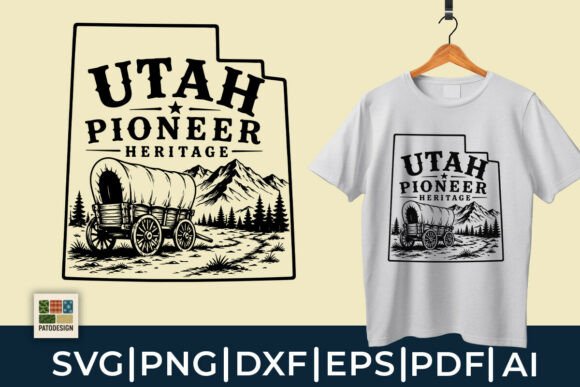
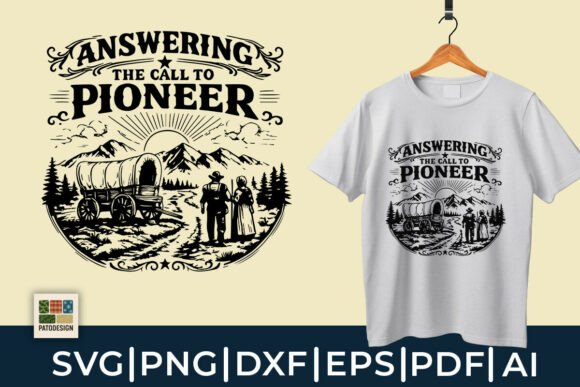
The machine embroidery design "Answering the Call to Pioneer SVG" immediately conveys a sense of heritage and celebration. It features a bold central illustration that nods to classic Pioneer Day imagery—think wagons, flags, or symbolic pioneers—with strong outlines and carefully balanced details. The layout is centered, which makes it easy to position on most items like shirts, tote bags, or patches.
What stands out is the visual personality of the design. It feels intentional and respectful of the theme, yet modern enough to appeal to a wide audience. The level of detail isn't overwhelming, which is a good sign for stitchability. The colors are rich and varied, suggesting that the design would pop on light-colored fabrics. But before jumping in, it’s important to consider where this design might thrive—and where it might need some adjustments.
Where This Embroidery File Shines
This design is versatile. I see it fitting naturally into several categories:
- Tote bag designs: The central graphic works well on larger surfaces, making it ideal for custom totes used as gifts or shop merchandise.
- Sweatshirt embroidery: The soft curves and structured elements balance each other nicely, allowing the design to sit comfortably on a cozy sweatshirt without looking cramped.
- Embroidered patches: With its clear lines and moderate complexity, this design could be adapted into a patch for jackets, backpacks, or even denim aprons.
- Custom apparel for small shops: Boutique owners and Etsy sellers often look for designs that can be repeated across products while maintaining uniqueness. This one has the potential to become a signature piece.
- Handmade gift items: For holiday or personalized gifts like pillow covers or tea towels, the patriotic and historical tone of the design adds emotional value and visual interest.
One of the best aspects of this SVG illustration is how it balances nostalgia with usability. It doesn’t rely on tiny lettering or intricate patterns that can easily distort during stitching. Instead, it uses satin stitches along key shapes and fill stitches for background textures, ensuring the design remains legible and visually appealing after embroidery.
Real-World Application: A Custom Tote Bag Project
To test this design, I imagined using it for a custom tote bag project aimed at a local craft fair. The design was large enough to cover the front of a canvas tote, yet detailed enough to feel personal. When previewed via a printable mockup, the colors were vibrant and the overall composition felt cohesive. On actual white cotton canvas, the contrast between the design and the background was excellent, especially with the inclusion of darker thread shades for outlining.
After stitching, the design retained its crispness. There were no issues with distortion or skipped stitches in the main body. The corners were clean, and the edges didn’t fray because of proper stitch management. Customers at the fair would likely appreciate the thoughtful design and the cultural significance behind it, especially if they’re from Utah or celebrate Pioneer Day traditions.
When to Use Caution
While the Illustrations category may imply flexibility, there are still limitations when applying this design to specific embroidery projects. Here are a few considerations:
- Small hoop sizes: The design is fairly large, so attempting to fit it into a small hoop could lead to lost detail or a cluttered look.
- Textured or stretchy fabrics: These can cause misalignment or puckering, especially around the more delicate parts of the design.
- Dark fabric backgrounds: While the colors are bright, the contrast may suffer. Testing in black and white is a must to ensure visibility.
- Products requiring frequent washing: Dense stitch areas might wear over time. Lighter stitch density or using durable fabrics like twill or canvas is recommended.
I also noticed that the design includes some decorative accents, such as subtle borders or flourishes. These are charming but require careful placement to avoid being overwhelmed by the rest of the item. For instance, adding it to a cap or hat with a curved surface might compromise the symmetry unless you adjust the file accordingly.
Practical Designer Notes for Implementation
Before committing to a full production run or customer order, here are some steps every embroiderer should take with the Answering the Call to Pioneer SVG:
- Test on scrap fabric first: Always do a trial stitch to check how the design behaves on your preferred material. Cotton, linen, or canvas are great starters.
- Review thread color contrast: Ensure the chosen colors stand out against the fabric. Darker threads might work better on lighter backgrounds than expected.
- Inspect stitch density: Some fill areas might be too tight for certain machines or materials. Adjusting stitch spacing can prevent puckering or unnecessary tension.
- Confirm hoop size: If the design is close to maximum dimensions, double-check compatibility with your hoops and machine settings.
- Check licensing terms: If you're planning to sell finished products or digital design assets, verify whether the original file allows commercial use. This is crucial for craft business owners and digital product sellers.
Additionally, keep an eye on the smallest details within the design. Even though it avoids overly complex elements, it’s always wise to zoom in and confirm that all lines and letters are clearly defined. This helps maintain professionalism and ensures the finished product looks polished and intentional.
Visual Appeal and Customer Engagement
From a handmade product perspective, the Answering the Call to Pioneer SVG brings a lot of character. Its bold presence and historical inspiration make it memorable, which is exactly what customers want in a personalized gift or boutique item. The design’s scale and structure help it stand out, whether it's on a baby onesie or a home décor pillow.
Using this design consistently across your inventory can build brand recognition, especially if you're targeting niche markets like historical themes, family-oriented gifts, or regional pride. Customers are more likely to trust a brand that presents high-quality, cohesive embroidery graphics—and this one checks that box.
However, don’t forget to pair it with the right accessories. For example, a commercial embroidery project using this design on a line of aprons would benefit from matching thread colors and quality stabilizers. These small touches elevate the product value and enhance the giftability of the final item.
Final Thoughts for Creative Makers
For creative entrepreneurs, small shop product creators, and hobbyists, the Answering the Call to Pioneer SVG offers a compelling blend of artistry and adaptability. It's not just a design—it's a statement. And in the world of embroidery projects, that kind of impact is invaluable.
Whether you're preparing a holiday gift for a client or expanding your Etsy listings, this design gives you room to experiment while staying grounded in functionality. Just remember to tailor your setup based on the fabric and product you're working with, and always test before mass-producing.
In short, the Answering the Call to Pioneer SVG is a strong contender for themed Graphics in both personal and commercial settings. It respects the tradition of Pioneer Day while embracing the modernity of machine embroidery. With the right preparation and care, it can become a standout in your collection of embroidery files—one that customers will recognize and return to again and again.